Alex Powell · 31 August 2026
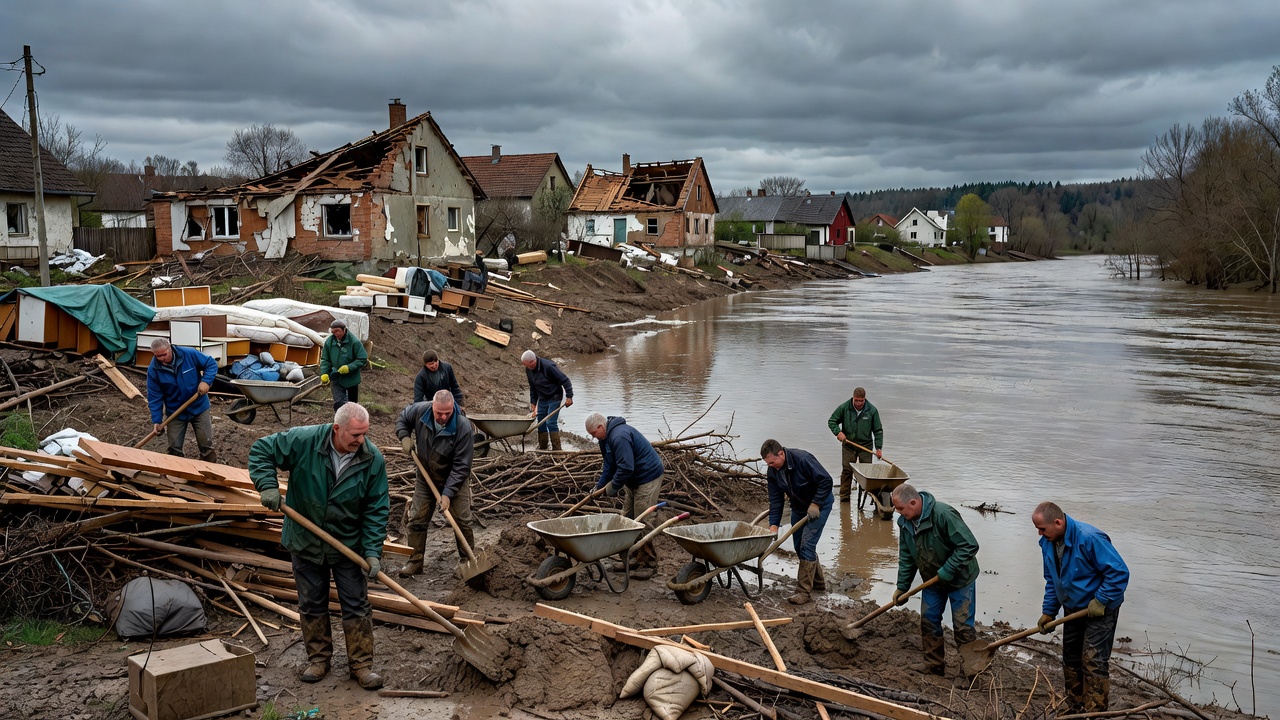
Recent flooding in Stromtal Valley has prompted extensive recovery operations that are altering the landscape and daily life along the river. Local authorities have coordinated with regional agencies to prioritize infrastructure repairs while incorporating long-term flood defenses. Residents report shifts in housing patterns as some properties are relocated to higher ground.
Infrastructure Upgrades and Environmental Measures
Engineers have reinforced riverbanks with new barriers designed to withstand future high-water events. Road networks damaged by erosion are being rebuilt with improved drainage systems. Environmental assessments guide the restoration of wetlands that previously absorbed floodwaters. Agricultural lands affected by sediment deposits are undergoing soil remediation to restore productivity. These projects employ local workers and stimulate the regional economy through supply contracts. Officials note that integrated planning reduces risks for downstream settlements. Monitoring stations now provide real-time data on water levels to enable faster responses.
Community consultations have influenced the placement of green spaces within rebuilt areas. Funding from national programs supports these initiatives alongside private contributions. Progress reports indicate that key bridges will reopen ahead of schedule due to accelerated timelines.
Community Adaptation and Future Planning
Social services have expanded to assist displaced families with temporary housing and counseling. Schools incorporate flood education into curricula to prepare younger generations. Volunteer groups organize debris removal and neighborhood support networks. Economic diversification efforts encourage tourism based on resilient recreational facilities along safer river sections. Policymakers review zoning laws to limit development in vulnerable zones. Long-term strategies emphasize sustainable practices that balance growth with ecological preservation. Surveys show increased resident participation in preparedness workshops. These combined efforts are fostering a more cohesive regional identity centered on proactive risk management.